

Do you often struggle with symptoms like jaw pain, difficulty chewing, and headaches? It is possible that you have TMJ disorder (TMD). What can you do to find relief? Our Hamden team is ready to assist you via TMJ treatment. Continue reading below to learn more about what this involves, or contact us directly to set up your consultation. We look forward to serving you!
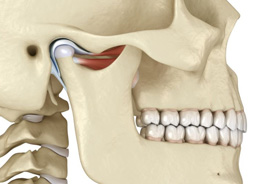
You have two temporomandibular joints (TMJs). These are the hinges, located just in front of your ears, that control movements of your lower jaw. When these joints become inflamed or damage, the symptoms of TMD start to develop.
TMD can have many different causes, including arthritis, dental misalignment, stress, injuries, teeth grinding and clenching, and more. Anyone can develop this condition, though it tends to be more common in women than in men.

TMD can cause dozens of different symptoms. Some of the most common are:

In order to determine how best to treat your TMD, our team will perform a thorough examination. This may involve a visual inspection and some X-rays. After we have gathered adequate information, we can advise you on your next steps. We may recommend some home remedies to reduce pain, such as dietary changes, jaw exercises, or heat/cold therapy. We may also suggest one of the following professional therapies:
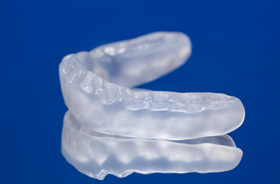
An occlusal splint is a custom-made device that looks like a mouthguard. You wear it at night, and it places a protective barrier between the upper and lower teeth to prevent grinding and clenching. It also helps the lower jaw to rest in a better position, which can reduce strain on the TMJs.

In some cases, TMD is caused by small discrepancies in how the upper and lower teeth work together. During an occlusal adjustment, we make minor modifications to the chewing surfaces of the teeth or existing restorations. This can take pressure off the jaw joints and provide a significant reduction in TMD symptoms.
8:00am – 5:00pm
8:00am – 5:00pm
8:00am – 5:00pm
8:00am – 5:00pm
8:00am – 5:00pm
Closed
You are being directed to a secure payment site.
Redirecting in seconds...