
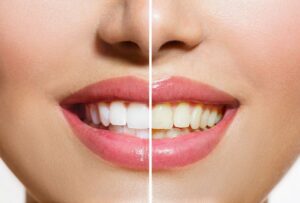
Teeth whitening is an effective way to get rid of dental stains and achieve a brighter, more confident smile. However, while it is safe for most people, it can cause side effects. The most common one is a temporary increase in dental sensitivity, which occurs because whitening formulas make it easier for stimuli to reach the second layer of the teeth. While you might not be able to completely avoid this issue, there are steps you can take to manage it and enjoy a radiant grin with minimal discomfort. Continue reading for practical tips and guidance.
Start with a Visit to Your Dentist
Your teeth should be healthy before you attempt to whiten them. Book a checkup with your dentist so they can identify problems like untreated cavities, gum recession, and thin tooth enamel. These things can make sensitivity much worse, so you should be aware of them and receive treatment to the extent possible. For example, fillings can repair cavities and protect those vulnerable spots from increased discomfort.
Consider Professional Whitening
Over-the-counter whitening products can be somewhat effective, but they are infamous for causing discomfort. That is because the products are not customized to individual needs. Plus, OTC whitening strips and gels do not provide precise application, so they can irritate sensitive soft tissues.
Professional whitening is customized to your needs. At-home professional kits use custom trays, and the formulas can be adjusted for people who are already prone to sensitivity. Many professional products even contain desensitizing agents to prevent or reduce discomfort.
Modify Your Diet
Post-treatment sensitivity typically lasts just a few days. During that period, you should adjust your eating habits. Things like hot and cold foods, as well as those that are highly acidic, can worsen irritation. Try to eat a mild diet with room temperature foods. (Also, if you undergo in-office whitening, you should avoid highly pigmented foods for 48 hours or so.) Some foods that you might try include bananas, pasta with white sauce, potatoes, rice, white fish, and ground chicken. These foods should be relatively bland, without a lot of heavy seasonings.
Protect Your Teeth from Cold Air
As the colder months approach, you may notice that even chilly outdoor air can trigger pangs of sensitivity. If you have to go outside, consider using a balaclava or scarf to cover your mouth.
Use Desensitizing Toothpaste
Desensitizing toothpastes are readily available over the counter. They contain ingredients like potassium nitrate, which surrounds tiny nerve endings in the teeth and calms them down. In turn, they become less capable of sending pain signals to your brain.
Use Pain Relievers if Necessary
Over-the-counter pain relievers can take the edge off any discomfort. You can take them according to the directions on the package as long as you are feeling sensitivity. Swallow them with room temperature water so cold water does not cause pain.
Post-whitening sensitivity can be unpleasant, but it is possible to minimize discomfort. Use the tips in this blog post to make your experience easier.
Meet the Practice
At New Haven Dental Group, we provide safe and effective professional teeth whitening services. We use Zoom! products, which contain effective desensitizing agents. If you would like to learn more about what to expect as you brighten your smile, contact us at 203-587-7327 to request a consultation.